
Camu Camu Berry: A Remarkable Natural Source of Vitamin C and Plant Compounds for Nourishment
Posted by The Sarvaa Team on 5th Jun 2026
“The doctor of the future will give no medicine, but will instruct his patient in the care of the human frame, in diet, and in the cause and prevention of disease.”
— Thomas Edison
Many people who move through life with intention — whether hiking mountain trails, practicing yoga, or simply showing up fully for the people they love — understand that steady energy and resilience begin with how we nourish ourselves. Vitamin C is one of those foundational nutrients we hear about often, yet the form it comes in matters deeply. Isolated supplements have their place, but whole-food sources bring a broader spectrum of supporting compounds that work together.
Enter the camu camu berry (Myrciaria dubia), a small, tart fruit native to the Amazon basin of Brazil, Peru, and surrounding regions. It has gained attention as one of the most concentrated natural sources of vitamin C on the planet, alongside a rich profile of flavonoids, anthocyanins, carotenoids, and other polyphenols. This combination makes it a compelling addition to a nutrient-focused routine grounded in both tradition and modern nutritional understanding.
What Is Camu Camu Berry and Why Has It Earned Attention?
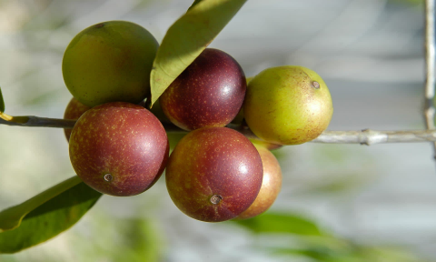
The camu camu shrub thrives in the flooded forests and riverbanks of the Amazon. Its small, cherry-like fruits range from green to deep red-purple when ripe and have a distinctly sour, almost citrus-like tartness. Indigenous communities have long valued the fruit, and in recent decades it has become available worldwide as a freeze-dried powder — a practical way to access its nutrition without the challenges of shipping fresh, highly perishable fruit.
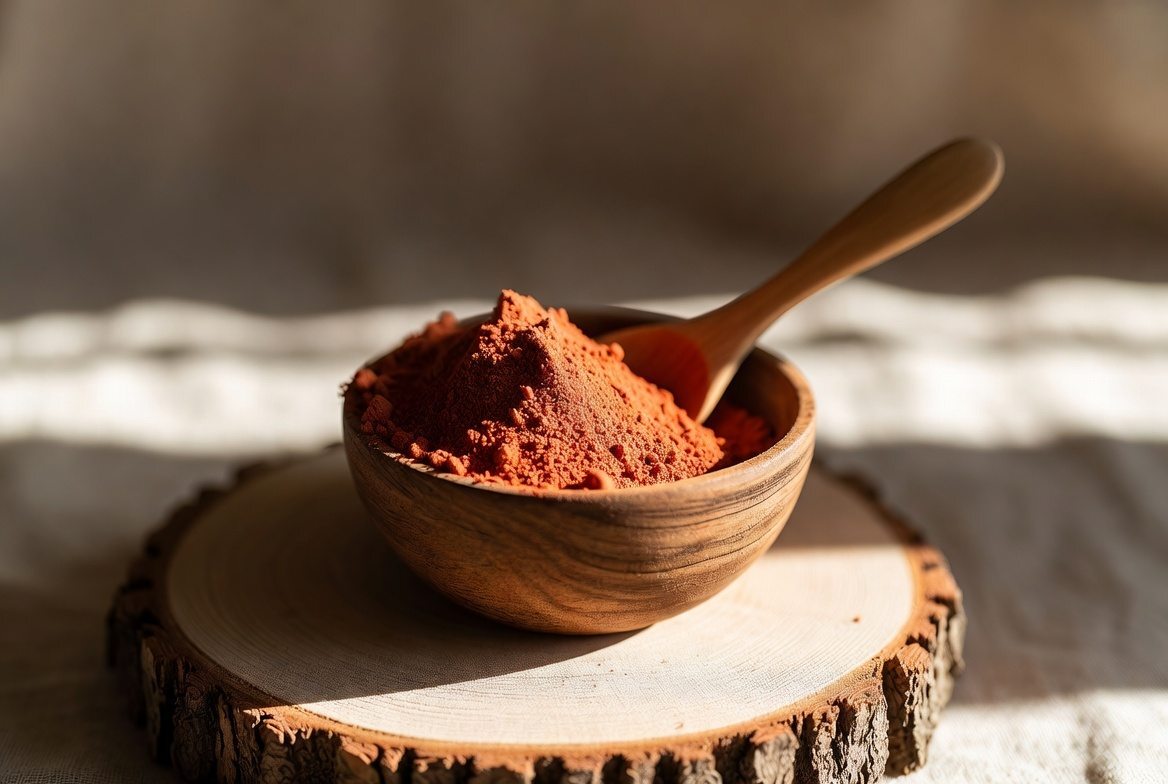
Unlike many fruits eaten fresh, camu camu is typically consumed as a powder because of its intense sourness. A small serving of the powder delivers meaningful amounts of vitamin C along with the full matrix of plant compounds that accompany it in nature.
Camu Camu Vitamin C Content and Its Broader Nutritional Profile
Camu camu berry stands out because of the sheer quantity of vitamin C it provides in natural form. Fresh fruit contains roughly 2,000–3,000 mg of vitamin C per 100 g — dramatically higher than oranges (around 50 mg per 100 g) 1 NIH. When dried into powder, nutrients become more concentrated per gram, although processing methods can influence final vitamin C levels. Depending on the specific product and processing, one teaspoon (about 5 g) can supply several hundred milligrams of vitamin C, representing a substantial percentage of daily needs.
Beyond vitamin C, the berry contains notable levels of flavonoids, anthocyanins, and carotenoids. These phytochemicals contribute to the fruit’s high antioxidant capacity. A 2019 review highlighted that camu camu’s polyphenols and vitamin C work together to neutralize reactive species, with research exploring these effects across in vitro, in vivo, and some clinical settings 2PMC.
From a nutritional perspective, whole-food sources like camu camu offer more than isolated ascorbic acid. The accompanying bioflavonoids and polyphenols may incluence how vitamin C fuctions in the body, though research his still developing. If true, this would reflect a synergy that aligns with the principle of eating foods in their natural complexity rather than relying solely on single-nutrient extracts.
How Camu Camu Nutrition Fits a Balanced, Purposeful Lifestyle
Nutrition never exists in isolation. For those who approach wellness with discipline and an other-centered outlook — people who challenge themselves physically in nature and seek to show up strongly for family and community — camu camu can serve as one practical tool among many.

Nutritional lens
It provides a dense, low-calorie way to increase vitamin C intake while adding plant diversity. Vitamin C plays well-documented roles in normal collagen formation (important for active bodies), antioxidant defenses, and supporting the body’s natural processes during periods of increased demand.
Traditional and Ayurvedic perspectives
Whole-food vitamin C sources have long been valued for supporting balance, digestion (agni), and overall vitality (ojas). The emphasis is less on megadosing a single nutrient and more on consistent, bioavailable nourishment from real foods. Some traditional frameworks also link adequate vitamin C status with steadier energy and mood — a connection modern observations continue to explore.
Modern research perspective
Studies have examined camu camu’s full phytochemical profile for its potential contributions to metabolic wellness, inflammatory balance, and cellular protection. One area of interest involves its effects on markers related to liver health and fat metabolism in preliminary human research. In a small randomized crossover trial (2024), adults with overweight and elevated triglycerides who consumed 1.5 g of camu camu daily for 12 weeks experienced a reduction in liver fat, while the placebo group saw an increase. Evidence remains emerging and context-dependent; individual results vary based on overall diet, lifestyle, and many other factors. The responsible takeaway is that camu camu represents a nutrient-dense food worth including as part of a varied, whole-food approach rather than a standalone solution 3 PMC.
The through-line across these lenses is simple: small, consistent choices around real food compound over time. For someone who already prioritizes movement, sleep, and intentional living, adding a concentrated superfruit powder can feel like a natural extension of that discipline rather than an extra obligation.
Practical Ways to Use Camu Camu Powder in Everyday Nourishment
The sour taste means most people prefer it blended. Here are easy, realistic ways to use it daily.
- ½ tsp in a morning smoothie with banana or berries. The tartness pairs well with sweeter fruits.
- Mix into sparkling water with fresh lemon or lime for a refreshing drink.
- Stir into yogurd, oatmeal,or chia pudding. Start with a pinch and adjust to taste.
- Blend into salad dressings or sauces where a bright, citrus-like note works.
Start low and increase gradually. Alittle goes a long way. Consistent moderate use as part of a nutrient-rich routine works best.
How Sarvaa Products Fit In
If building a more nutrient-dense daily rhythm with whole-food sources of vitamin C and antioxidants feels aligned with how you care for yourself and those you serve, Sarvaa’s SuperFruit C offers a thoughtfully formulated blend that includes camu camu berry along with acerola cherry, rose hips, and other complementary superfruits. It provides a convenient, versatile way to bring these nutrients into smoothies, water, or recipes.
Key Takeaways: Small Actions That Support Big-Picture Nourishment
- Choose whole-food sources of vitamin C and antioxidants when possible — camu camu powder is one concentrated option that brings additional plant compounds.
- Use it consistently in small amounts rather than seeking dramatic single-day effects.
- Pair nutrition upgrades with the other pillars you already value: movement in nature, quality sleep, and daily rhythms that restore you.
- Experiment with flavor combinations until it becomes an effortless part of your routine.
- Remember that no single food transforms health on its own — camu camu works best as one supportive element within an overall pattern of nourishing choices.
When your daily choices reflect a desire to nourish yourself so you can better serve the people and purposes that matter most, small upgrades like adding camu camu through a product such as SuperFruit C can feel meaningful rather than overwhelming. Many in our community appreciate having a simple, high-quality option that honors both traditional wisdom and current nutritional insight. We invite you to explore what feels right for your rhythm.
Be Well,
Joshua and the Sarvaa Team
Disclaimer: Insights are based on nutritional science, naturopathic principles, Ayurveda, and traditional herbal practice. Ingredient benefits reflect historical use and modern research on nutritional composition. Educational use only. This information is not medical advice and is not intended to diagnose, treat, cure, or prevent any disease. Statements have not been evaluated by the FDA.
References
- Justi, S. R., et al. (2000). Camu-camu (Myrciaria dubia): A promising source of vitamin C. PubMed. https://pubmed.ncbi.nlm.nih.gov/11464674/
- Conceição, N., et al. (2020). By-Products of Camu-Camu [Myrciaria dubia (Kunth) McVaugh]: A Review on Chemical Composition and Bioactivity. Foods, 9(1), 6. https://pmc.ncbi.nlm.nih.gov/articles/PMC6982765/ (PMCID: PMC6982765)
- Agrinier, A. L., et al. (2024). Camu-camu decreases hepatic steatosis and liver injury markers in overweight, hypertriglyceridemic individuals: A randomized crossover trial. Cell Reports Medicine. https://pmc.ncbi.nlm.nih.gov/articles/PMC11384942/