

Hemp Seed Protein: A Gift of Strength, Balance, and Grounded Vitality
Posted by The Sarvaa Team on 3rd Jul 2026
Some of the most nourishing foods are also the quietest. They do not announce themselves. They simply return, season after season, and steadily sustain the people who come to rely on them. Hemp seed is one of these. Small, earthy, and unassuming, it carries within it a remarkably complete kind of nourishment, one that humans have leaned on for thousands of years.
What Is Hemp Seed Protein?
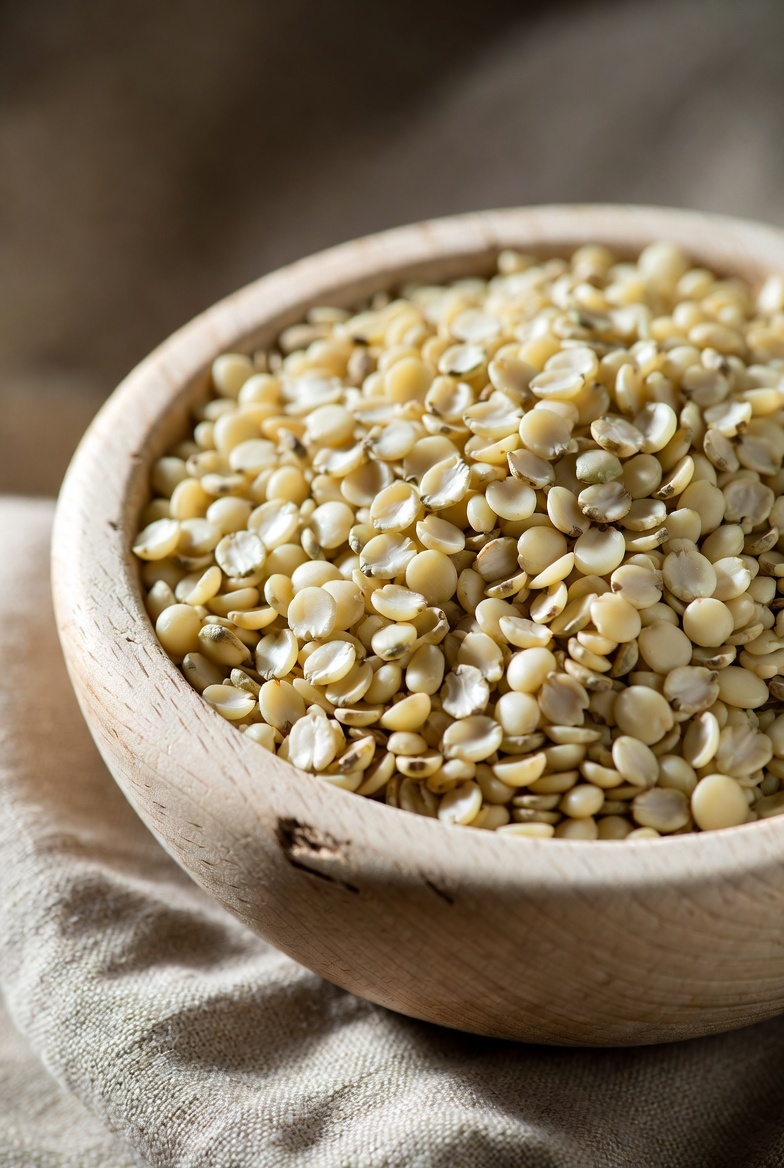
Hemp seed protein comes from the seeds — often called hemp hearts — of Cannabis sativa L., the same plant species as marijuana but a distinct variety grown for its seeds and fiber rather than its flowers. By definition, industrial hemp contains less than 0.3% delta-9-THC, the psychoactive compound in cannabis, which is far too little to produce any intoxicating effect.1 The seeds themselves carry none of the CBD or trace THC found in hemp flowers, which makes hemp seed protein a safe, legal, and everyday source of nourishment.
What makes these small seeds so valued is their protein. Hemp seed protein provides all nine essential amino acids — the building blocks the body cannot make on its own — and is especially rich in arginine and the branched-chain amino acids that support muscle. Its main proteins, edestin and albumin (with smaller amounts of vicilin), are highly digestible and well absorbed by the body.1
Hemp seeds are also rich in healthy fats. They supply both omega-3 (alpha-linolenic acid) and omega-6 (linoleic acid) in a ratio of roughly 3:1 — a balance often considered favorable, closer to what many nutrition researchers recommend than the typical modern diet provides.4 They even contain small amounts of gamma-linolenic acid (GLA), an omega-6 that is uncommon in most foods. Alongside this, hemp seeds offer soluble and insoluble fiber, vitamin E, and minerals such as iron, zinc, and magnesium, which is why they are so often described as a superfood.1
In the kitchen, hemp has a mild, nutty, faintly grassy flavor that folds easily into daily life. Whole hemp hearts can be sprinkled over oatmeal, yogurt, and salads; hemp protein powder blends smoothly into smoothies; and blended hemp seeds even make a creamy, dairy-free milk. For anyone building steadier energy through what they eat, hemp is one of the simplest plant proteins to work into an ordinary morning.
An Ancient Seed With a Long Human Story
Hemp is one of humanity's oldest companions. Archaeobotanical records from Central Asia and Europe show that people have used the Cannabis plant since the Bronze Age, primarily for its fibers and oils, including in ritual and ceremony.1 Long before it was ever studied in a laboratory, hemp was woven into rope and cloth, pressed for oil, and eaten as food.
Perhaps the most striking chapter of that story is still unfolding in Bama County, in the Guangxi region of southern China. Bama is often called a “longevity village,” home to an unusually high number of centenarians — by some measures several times the international average.5 Among the foods residents have eaten daily for generations is hemp seed, known locally as “huoma.” It flavors their well-known “longevity soup,” and hemp has long held a steady place in this mountainous, plant-heavy way of eating.4
It would be a mistake to credit hemp alone. Researchers who study Bama emphasize that its residents' long lives reflect many overlapping factors — a largely plant-based diet, clean air and mineral-rich water, daily movement, close family bonds, and genetics — not any single superfood.5 Still, hemp's quiet, centuries-long place at that table says something about how a humble seed can become part of a genuinely nourishing life.
Which everyday foods have become part of your own daily rhythm?
Hemp Seeds in the Ayurvedic Tradition
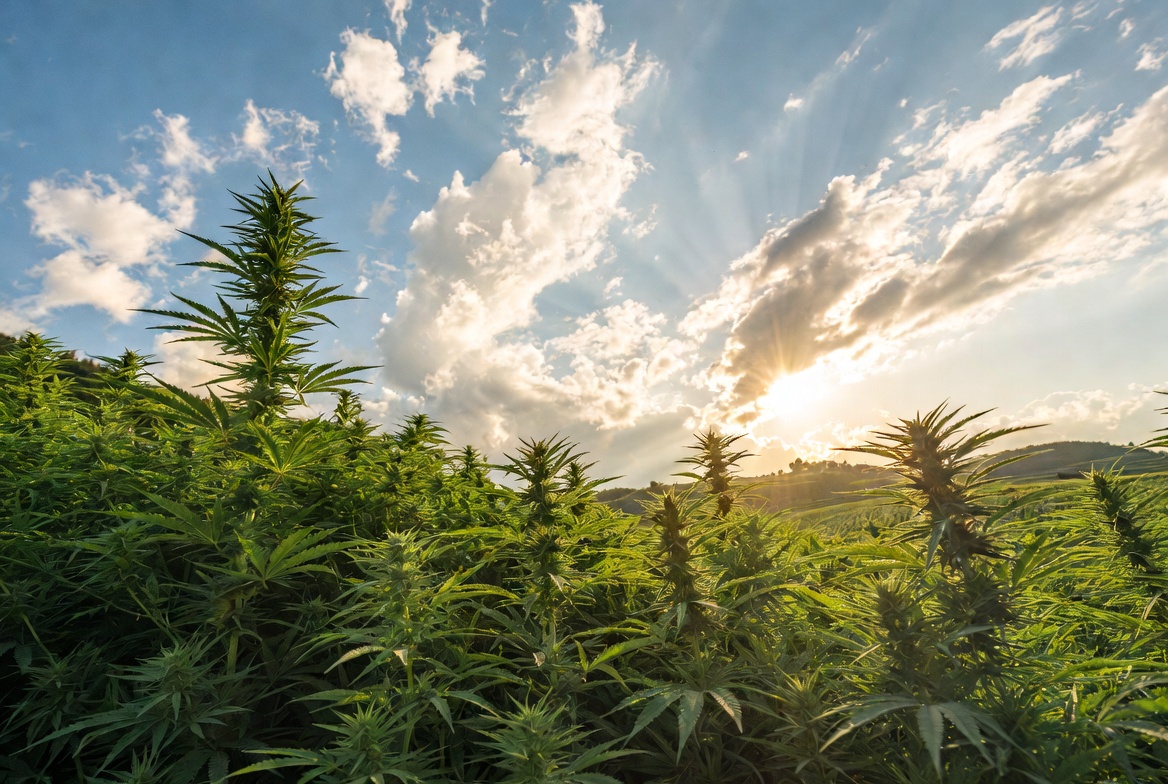
Ayurveda, the traditional medical system of India, has a long and layered relationship with the Cannabis plant. In that tradition, the potent, mind-altering parts of the plant — known as Vijaya or Bhanga — were treated with great caution and used only in carefully prepared, small amounts. Hemp seeds, by contrast, were understood quite differently: as a nourishing, grounding food.
In Ayurvedic terms, hemp seeds are considered sweet (madhura), unctuous or oily (snigdha), and heavy (guru) — qualities seen as deeply nourishing and stabilizing. They are traditionally viewed as calming to Vata, the airy, mobile energy associated with dryness and restlessness, and as cooling and balancing to Pitta, the fiery energy associated with heat, while their density can feel heavier for Kapha, especially when digestion is sluggish.6 Practitioners valued them for grounding the nervous system, building strength and tissue, and supporting steady digestion and vitality.6
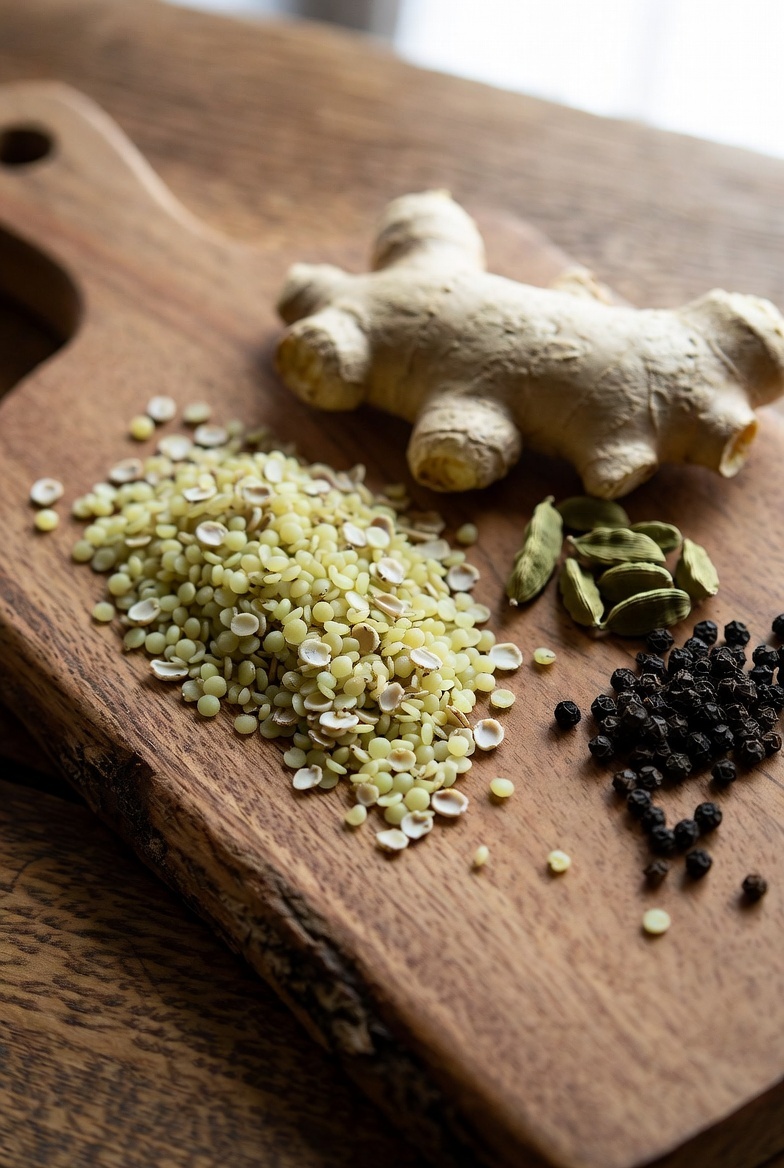
One of Ayurveda's most practical insights is that even nourishing foods are best supported by good digestion. This is why hemp was traditionally paired with warming, carminative spices — ginger, cardamom, fennel, cumin, and black pepper — to help the body break down and absorb its richness. It is a pairing we carry into our Sita Protein, which surrounds organic hemp heart protein with exactly these kinds of digestive spices. As always, these are traditional perspectives offered as wisdom and context, not as a substitute for medical care.
What Modern Research Is Exploring
Modern science is only beginning to catch up with what traditional cultures observed. The research is still emerging, and much of it is early-stage, but a few findings help explain why hemp protein has drawn growing interest.
One area is digestibility — how well the body can actually break down and use a protein. In a 2026 study, researchers compared hemp-based patties with other plant-based meat alternatives and found that the hemp patties were rich in essential amino acids and unsaturated fats, and scored higher on several measures of protein quality and digestibility, including the protein digestibility-corrected amino acid score (PDCAAS), metabolic amino acid digestibility, and true ileal digestibility.2 The hemp patties even had a flavor profile closer to beef than the other plant options tested. Hemp is not as concentrated in every amino acid as animal proteins, but among plant proteins it holds up remarkably well.2
A 2025 study looked at what happens to hemp seed protein during digestion. Using a simulated model of the human gut, researchers found that digested hemp protein showed meaningful antioxidant activity. They identified more than a thousand peptides — small protein fragments — most of them very small in size, and predicted that dozens of them may be biologically active.3 In laboratory tests, the digested protein helped protect liver cells from oxidative stress, and computer modeling pointed toward antioxidant pathways worth studying further.3 These are early, cell- and model-based findings, not proof of an effect in people, but they suggest hemp protein may do more than simply supply amino acids. Further research is needed to understand what this means for everyday health.
Bringing Hemp Seed Protein Into Daily Life
As with any food, the most meaningful benefits of hemp come from small, consistent steps rather than dramatic changes. You have your own unique constitution, so it is worth introducing hemp in a way that feels right for you and noticing how your body responds.
An easy place to begin is simply adding hemp to something you already eat. Stir a spoonful of hemp hearts into morning oatmeal or yogurt, scatter them over a salad, or blend hemp protein into a smoothie. If you enjoy the Ayurvedic approach, pair it with warming spices like ginger or cardamom to support digestion. For an easy, everyday option, our Sita Protein combines organic hemp heart protein with those same digestive spices, so a nourishing shake comes together in minutes.
Hemp also invites a small moment of mindfulness. As you prepare your morning shake or bowl, pause for a breath and notice the seed's earthy aroma and the quiet strength it carries. Consider, for a moment, the long journey of this humble seed — from ancient fields and mountain villages to your kitchen — and the generations who found steadiness and nourishment in it, just as you can today.
Hemp seed protein is generally well tolerated and is naturally free of soy, dairy, and gluten. As a simple matter of care, if you are pregnant or nursing, taking medications, or sensitive to seeds, introduce it gradually and check with a healthcare professional if you have questions.
Key Takeaways
- Hemp seed protein provides all nine essential amino acids and is highly digestible, making it a strong, well-rounded plant protein.
- It delivers omega-3 and omega-6 fats in a favorable ratio of about 3:1, plus fiber, vitamin E, and minerals like iron, zinc, and magnesium.
- Because it contains no meaningful level of THC, hemp seed protein offers nourishment with no psychoactive effect.
- Traditions from Ayurvedic India to the longevity village of Bama, China have valued hemp as a grounding, everyday food.
- Start small: add a spoonful of hemp hearts or a scoop of hemp protein to a meal you already enjoy, ideally paired with warming digestive spices.
A Grounded, Everyday Kind of Strength
Strength does not always come from the loudest or newest sources. Sometimes it comes from a small, ancient seed that quietly offers the body what it needs — complete protein, balanced fats, and a sense of grounded, steady vitality. Woven into your daily rhythm, hemp is a simple and generous way to nourish body and mind together.
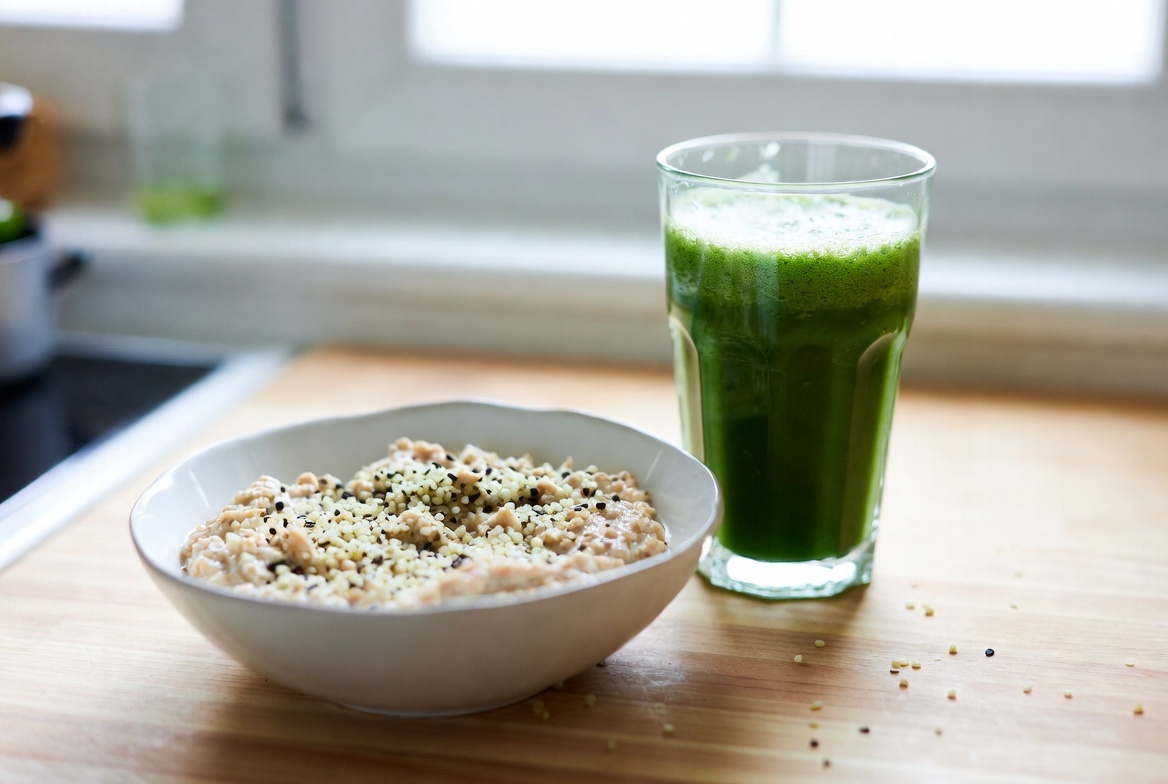
If you would like an easy way to make hemp part of your day, our Sita Protein was thoughtfully created to work in harmony with daily nourishment, movement, and rest, pairing organic hemp heart protein with balancing Ayurvedic spices. And if this sparked something, share it with someone who is also building a more nourishing daily rhythm.
Don't hesitate to reach out to us at care@sarvaaorganics.com for further guidance or to share your wellness journey. We'd love to hear from you.
Be Well,
Joshua and the Sarvaa Crew
Sources Cited
1 Juárez-Cruz, M. V., et al. (2025). “Antioxidant and Antiproliferative Activities of Hemp Seed Proteins (Cannabis sativa L.), Protein Hydrolysate, and Its Fractions in Caco-2 and THP-1 Cells.” International Journal of Molecular Sciences 26 (23): 11741.
2 Food Chemistry. (2026). “Hemp Seed Protein: A Promising Meat Protein Substitute with High Nutritional Value, High Safety, and High Meat-Like Aroma Characteristics.” Elsevier.
3 Food Chemistry. (2025). “Peptide Profiling and Antioxidant Characterization of the Simulated Gastrointestinal Digest of Hemp Seed Proteins.” Elsevier.
4 Choi, S. P., et al. (2018). “Identification of a Sustainable Two-Plant Diet That Effectively Prevents Age-Related Metabolic Syndrome and Extends Lifespan in Aged Mice.” The Journal of Nutritional Biochemistry. (Notes hemp as a daily Bama staple and its ~3:1 omega-6 to omega-3 ratio.)
5 Zeng, Y., et al. (2023). “Which Factors Influence Healthy Aging? A Lesson from the Longevity Village of Bama in China.” Aging and Disease / PMC.
6 Joyful Belly College of Ayurveda. (n.d.). “Hemp Seed Benefits (Ayurveda Insights).” Traditional Ayurvedic perspective.
Disclaimer: Insights are based on nutritional science, naturopathic principles, Ayurveda, and traditional herbal practice. Ingredient benefits reflect historical use and modern research on nutritional composition. Educational use only. This information is not medical advice and is not intended to diagnose, treat, cure, or prevent any disease. Statements have not been evaluated by the FDA.