

Discovering Your Body’s Inner Spring Clean: The Wonders of Autophagy and Gentle Renewal
Posted by The Sarvaa Team on 10th Apr 2026

✨A gentle spring morning in the San Juan Mountains inviting us toward lightness and renewal — the perfect season to support your body’s natural rhythms.
Discovering Your Body’s Inner Spring Clean: The Wonders of Autophagy and Gentle Renewal
“Inside every cell lies a built-in blueprint for renewal—and autophagy is one of its most powerful tools.” — Yoshinori Ohsumi, Nobel Prize-winning researcher
After a long winter of hearty meals and cozy indoor days, many of us feel a quiet pull toward lightness as the days grow warmer. The birds are singing, the trees are budding, and somewhere deep inside, your cells may be whispering the same invitation: It’s time for a gentle spring clean.
At Sarvaa Organics, we believe true wellness isn’t about extremes or one-size-fits-all rules. It’s about listening to your body’s intelligent rhythms—the seasons of the year, the seasons of your life, and even the unique constitution you were born with. Today we’re exploring a remarkable natural process called autophagy (pronounced “aw-TOFF-uh-jee”), your body’s built-in recycling and renewal system. We’ll look at it through the lenses of modern science, Ayurvedic wisdom, and practical daily choices so you can support it in a way that feels caring and sustainable.
What Is Autophagy?
Japanese cell biologist Yoshinori Ohsumi received the 2016 Nobel Prize in Physiology or Medicine for revealing the genes and mechanisms behind autophagy, showing how this “self-eating” helps cells adapt to stress, maintain quality control, and support overall vitality.
Autophagy literally means “self-eating.” It’s the elegant way your cells break down and recycle their own damaged parts—old proteins, worn-out organelles (“mini-organs” inside a cell), and cellular debris—turning them into fresh energy and building blocks. Think of it as your body’s housekeeping crew quietly sweeping away clutter so everything runs more smoothly.
This process has been happening inside you since the day you were born, but it becomes especially active when the body senses a gentle pause in incoming nutrients—such as during periods of intermittent fasting or lighter eating.
In simple terms, autophagy is one of the ways your body stays resilient and refreshed at the deepest level.
How Autophagy Works—and What Helps or Hinders It
When nutrient levels are lower for a time, cells shift from “growth and digestion mode” to “maintenance and cleanup mode.” Tiny structures called autophagosomes form like little garbage bags, wrap around unwanted material, and deliver it to lysosomes (the cell’s digestive engines) where it’s broken down and recycled.
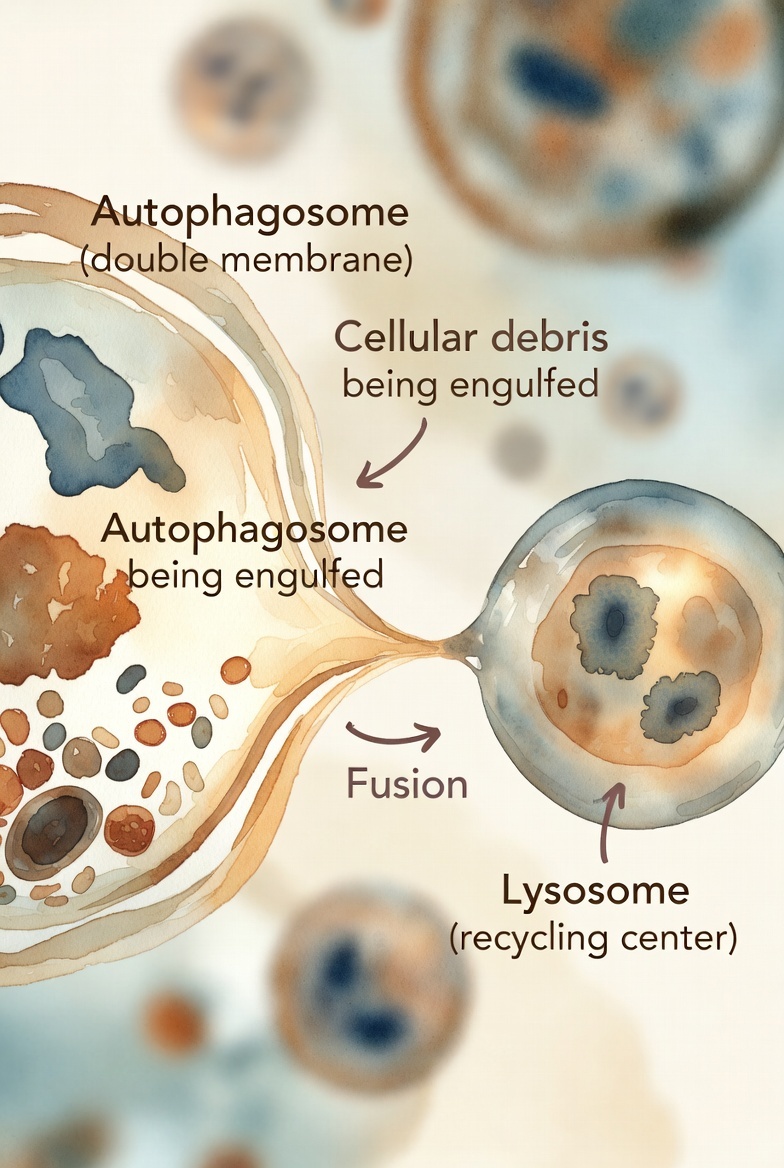
Figure 1: How autophagy works—the cell’s elegant self-cleaning process.
This natural process may play a supportive role in energy balance, cellular clarity, and the body’s ability to adapt to everyday stresses. It’s beautifully efficient: the energy normally used for digesting heavy meals becomes available for internal housekeeping instead.
What can get in the way?
- Constant overeating or very heavy meals that keep digestion in high gear
- Foods that create excess metabolic load (ultra-processed items, excessive sugars)
- Chronic stress or poor sleep that taxes your system
On the supportive side, gentle practices like mindful movement, quality sleep, and lighter eating windows can encourage this renewal pathway. Even a daily walk in nature or an earlier bedtime can help your body shift into repair mode.
Have you noticed how your energy or cravings shift with the changing seasons?
If you’re feeling called to give your cells a little extra support this season, our Superfruit C blend offers a gentle boost of phytonutrients and antioxidants that complement your body’s natural renewal processes. Many in our community enjoy it as a simple morning ritual during lighter-eating windows.
Autophagy Through Ayurvedic Eyes: Ama, Agni, and Upavasa
Ayurveda has long understood the importance of clearing what no longer serves us. The sticky, undigested residue of metabolism is called ‘ama’. It’s a normal byproduct, but when it accumulates it can create that heavy, sluggish feeling many of us notice after winter.
The body uses ‘agni’—your internal digestive fire—to metabolize and transform ama, preparing it for removal or recycling. One of the most honored practices for supporting this is ‘upavasa’, a personalized form of fasting or simplification tailored to your dosha (constitution), age, season, and current state of balance. Upavasa isn’t deprivation; it’s a conscious pause that shifts energy from digesting the outer world to tending the inner one.

Figure 2: A simple, nourishing bowl of traditional Ayurvedic kitchari—split mung dal and basmati rice—a favorite gentle mono-diet during seasonal renewal.
A favorite gentle approach is the kitchari mono-diet: a simple, soothing meal of split mung dal, basmati rice, and seasonal vegetables cooked with digestive spices. Many people enjoy it for 1–3 days (or longer under guidance) as a way to feel lighter while still receiving warm, nourishing food.
Ayurveda always reminds us: what works beautifully for a kapha-dominant person in spring may feel too cooling for a vata in the same season. Individualization is key.
Sarvaa’s Superfoods for Supporting Your Reducing Season
When it feels like time to lighten and renew, these blends can be wonderful companions:
- Superfruit C and SupraGreens — rich in phytonutrients that support gentle daily cleansing pathways.
- Golden Bliss — a warming, golden-milk-inspired blend that can feel comforting while you reduce heavier foods.
They’re designed to work with your body’s natural rhythms rather than forcing them.
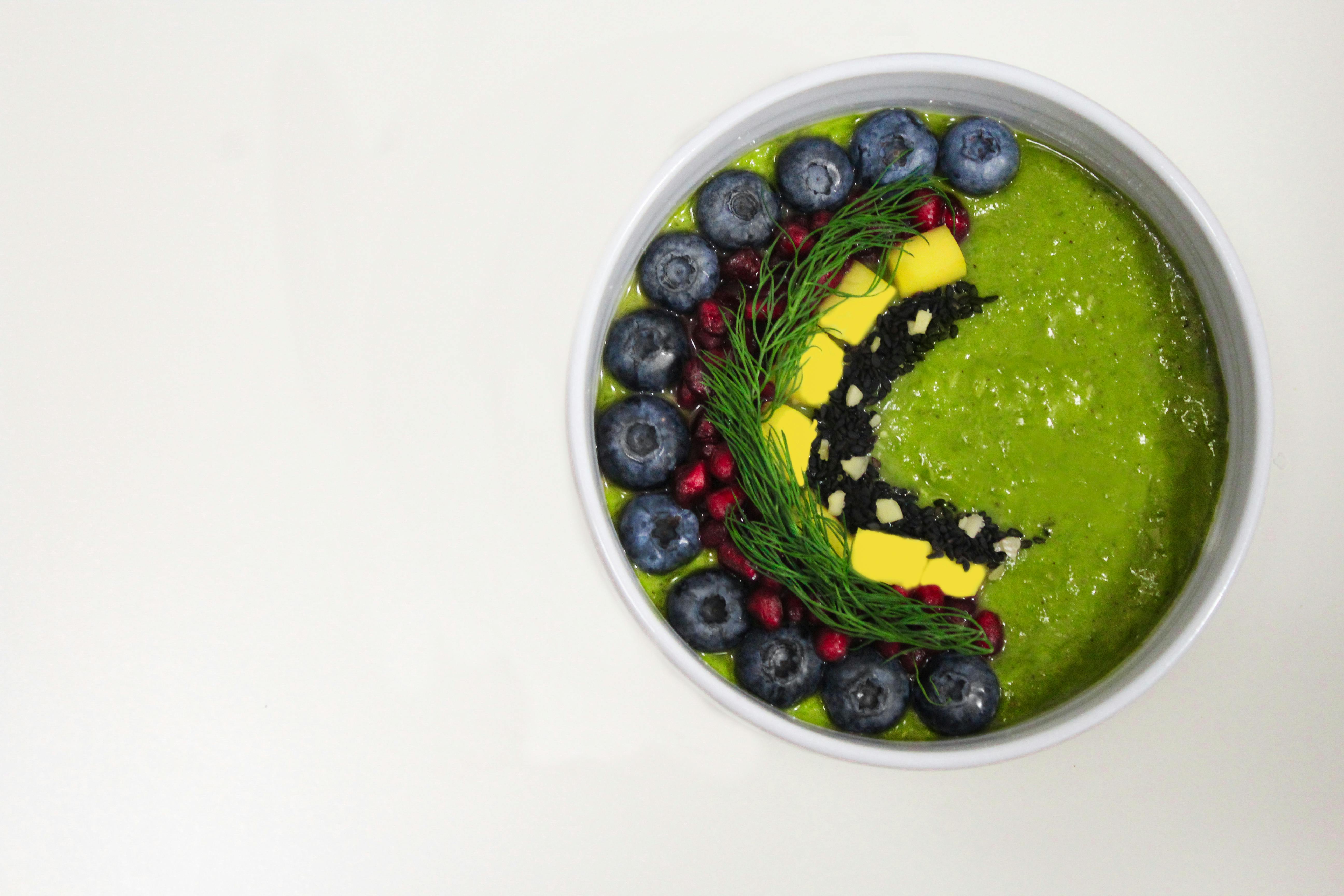
Figure 3: superfood smoothies or plant-based protein bowls colorful wellness nourishment Sarvaa style
When It’s Time to Build Instead of Reduce
Not every season calls for reduction. Winter, postpartum, recovery from illness, or simply a vata-leaning constitution may whisper, “Please nourish me.” In these times, the kindest choice is high-quality building foods that light up your mitochondria and restore reserves.
Listen to your cravings with curiosity instead of judgment. A deep desire for warm, grounding meals might be your body asking for sustenance. This is where upgrading the quality of what you eat makes all the difference.
Sarvaa’s Foods for the Building Season
- Pacha Protein and Sita Protein — gentle, plant-based proteins that feel easy to digest and deeply nourishing.
- Sacred Strength — a supportive formula many reach for when rebuilding strength and vitality.
Whether you’re in a reducing or building phase, the invitation is the same: choose foods and habits that help you feel more alive.
Movement and sleep remain steady companions no matter the season. A gentle yoga flow or evening walk can support circulation and calm, while consistent, restorative sleep gives your cells the quiet hours they need for deep repair.
What does gentle renewal look like for you right now?

Figure 4: Gentle movement in nature — a steady companion for building strength and inner balance.
A Final, Heartfelt Invitation
Your body already knows how to renew itself. Our role at Sarvaa is simply to offer natural, high-integrity tools that make listening and responding a little easier. Whether you’re drawn to a lighter kitchari week, an extra scoop of SupraGreens, or a nourishing protein shake, trust that small, consistent choices add up to meaningful transformation.
We’d love to hear how this season of renewal feels for you. Drop us a note at care@sarvaorganics.com or share your favorite gentle practice—we read every one.
Disclaimer: Insights are based on nutritional science, naturopathic principles, Ayurveda, and traditional herbal practice. Ingredient benefits reflect historical use and modern research on nutritional composition. Educational use only. This information is not medical advice and is not intended to diagnose, treat, cure, or prevent any disease. Statements have not been evaluated by the FDA. Always consult your personal healthcare provider before making significant changes to your diet or fasting practices.