
General Digestive Health: Stress, Diet Sensitivities, Microbiome, and Peristalsis
Posted by Sarvaa Organics on 6th Feb 2026
Stress, Diet Sensitivities, Microbiome, and Peristalsis
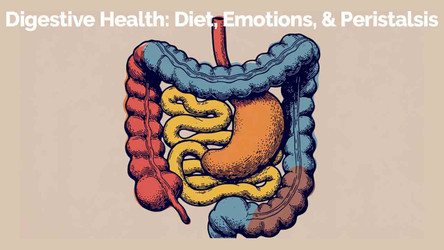
The health of your digestion is a beautiful story. You sit down to eat a meal, then peristalsis–the wave of contractions of your intestines–move food from your esophagus, through your gut, and out.
Boost your Digestive Fortitude with Sarvaa’s Probiotics
How You Eat: Gratitude, Conversation, and Stress
Ayurveda suggests that digestive health goes beyond the body to include the emotional state you’re in when you’re eating [B-1, 52]. As many mediterranean families would attest, a good meal includes friends, family, laughter, and conversation. On the other hand many a yogi would proclaim, good digestion starts with a quiet, conscious state - even going as far as suggesting food should be eaten in silence so your whole being can be present for the experience.
There’s a lesson to be gleaned from both perspectives, depending on who you are as an individual. Each body is unique, and everybody experiences changes in their digestive needs. In general, we suggest:
- Eating with Loved ones, laughing as much as possible during the meal
- Avoiding foods that can disrupt digestion depending on your sensitivities. (For many these foods include processed sugar, gluten, and/or oxidized fats)
- Eating only enough to be 80% full (the Japanese concept hara hachi bu. Pause before fullness, not after it.)
- Eating when you are in a parasympathetic state (relaxed and at peace enough to allow your nervous system to provide your digestive system the full amount of energy it needs to do its job well)
Your Microbiome’s Role in Digestion
Having the right bacteria and other microorganisms thriving in your gut affects how well you digest food. Again, everyone is different and requires a unique personal entourage of helpful microorganisms in their digestive system, but in general we suggest:
- A wide variety of probiotic bacteria in your gut to make your digestion flexible, adaptable, and robust.
- The presence of beneficial yeasts in their gut, like Saccharomyces boulardii that will suppress less helpful yeasts like Candida
- A diet that is rich in various prebiotic foods that provide the nutrients your microbiome needs to thrive
- A diet that includes your unique ‘right’ amount of fermented foods like kimchi, sauerkraut, sugar-free actually alive yogurts and/or kefirs.
- An annual flush of parasites (especially those of you with pets) to prevent loss of nutrients and toxic weight associated with common intestinal worms, flukes, etc.
A great way to reset a struggling gut, or to fortify an already thriving gut is to include probiotics, prebiotics, and antioxidants in your diet. This is why we’ve designed our Vibrant Biome Probiotics, Meal Replacement Protein Powders, or Superfruit C.
Getting back in touch with your Peristalsis
Many times, our digestive issues start at the energetic level. Stress, over-eating, under-eating, and eating at the wrong time of day can disrupt our peristalsis. Additionally, parasites, inflammation, and a compromised microbiome can disrupt it.
Peristalsis is the unconscious contraction and relaxation of the digestive organs that moves food through your digestive tract towards its inevitable journey to elimination (like squeezing toothpaste from a tube).
When our ‘digestive muscle waves’ are interrupted, they can become irregular, or even exhausted. Chronic stress, constipation, and/or loose-stools can result and create a feedback loop that prolongs the imbalance. Further, interruptions in the peristalsis can lead to immune issues, drops in energy, and even brain-fog.
It’s important to get in touch with your rhythm of elimination. We suggest:
- Learn your elimination tendencies. Do you tend to be constipated, loose stooled, regular? How often do you have a stool? Daily, multiple times a day, every other day? Getting familiar with this rhythm upgrades your understanding of what a healthy and unhealthy digestion pattern looks like for your unique body.
- Get familiar with how long it takes for you to eliminate a meal from the time you eat it. Learning how long it takes you to fully digest a meal will upgrade your awareness of your peristalsis timing, and guide you in making decisions about what, when, and why to eat. Eating red beets in a dinner is an easy way to track this as the purple of the beet will show up when it’s fully passed through your digestive system.
- Palpate your abdomen clockwise each evening after you lay down for bed. Gently push your fingers into your lower stomach above the appendix, then work your way up towards your liver, across to the spleen, and then down the descending colon. Feel for any areas that are hardened, bubbly, or painful. As you get familiar with the way your digestive tract feels, you’ll upgrade your understanding of when it is disrupted or healthy. This knowledge will further guide your understanding of what helps and what hurts your digestive health.
How you eat and when you eat is as important as what you eat. Equally as important is the state of your microbiome. In Ayurvedic tradition, this idea is captured by Agni, your body’s digestive fire: the living capacity to break down food, absorb what nourishes you, and keep everything moving harmoniously. Think of Agni as your gut’s “operating system”—it runs best when you honor timing, pace, and food quality, not just ingredients. Be of service to your future self by getting familiar with your digestive system, its tendencies, its rhythms (including the natural waves of peristalsis), and how your daily habits either stoke or smother this fire. In other words, earn a degree in your own body by learning to notice what strengthens your Agni (unrushed meals, consistent timing, calm attention) and what weakens it (chaotic schedules, overeating, constant snacking, or stress).
You’re unique, and you require a custom approach to living, breathing, eating, and thriving. Ayurveda calls this your Prakriti, your individual constitution—one reason a one‑size‑fits‑all plan rarely fits anyone. No person, practice, or technology is better suited to understanding your body than you. When you tune into your signals—hunger and satiety cues, energy, mood, digestion—you become the expert, feeding your microbiome wisely, supporting your Agni, and creating a way of eating that truly serves your life; “To Nourish. To Heal. To Transform.”
Remember to Love Your Body, Love Everybody!
Sources
- [B-1] "Prakriti, Your Ayurvedic Constitution," by Dr. Robert E. Svoboda, 52.